
The Changing Hunt for Mengele
The Disappearance of Josef MengeleThis flow follows the investigative institutions and public figures who pursued Josef Mengele, and the gaps that repeatedly allowed him to evade capture.
increasing Bearing strength in each event
 decreasing
Bearing strength in each eventdecreasingA Survivor’s Persistence

A Survivor’s Persistence
Evidence gathering
Hermann Langbein pursued leads about Josef Mengele and built a case from records and testimony. His work treated the doctor’s disappearance as a solvable investigative problem, not a settled mystery.
Legal limits
A regional prosecutor issued a warrant, but extradition depended on slow government procedures and cooperation across borders. The evidence was stronger than the enforcement available to act on it.
Mossad’s First Plan
Mossad’s First Plan
A target list
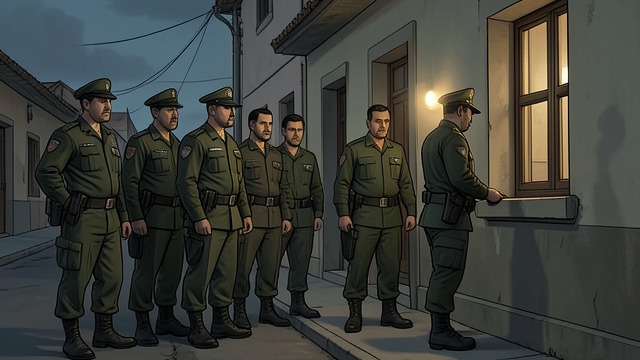
Isser Harel considered a plan to capture Josef Mengele after Adolf Eichmann. The operation depended on a short window and uncertain information about the doctor’s whereabouts.
The missed opportunity
Agents searched an address in Vicente López and found that the family had moved. Eichmann’s departure closed the operation’s window before they could locate Josef Mengele.
A Strategic Diversion
A Strategic Diversion
Competing priorities
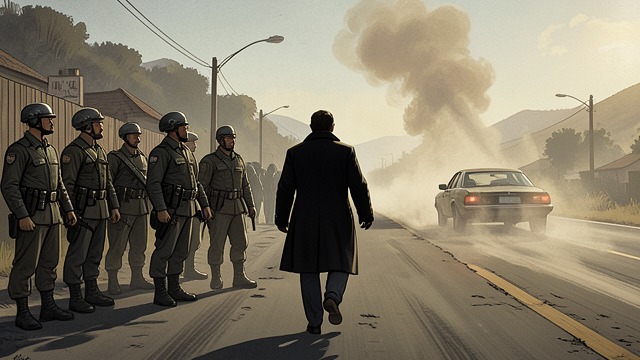
Mossad redirected resources to Yossele’s disappearance and the threat from German missile experts working in Egypt. The hunt for Josef Mengele lost priority.
A fugitive’s reprieve
The interruption gave Josef Mengele time to settle into Brazilian hiding. Intelligence services had competing obligations, while his local protectors could exploit delays and jurisdictional barriers.
Wiesenthal’s Public Campaign

Wiesenthal’s Public Campaign
A public face
Simon Wiesenthal became the best-known public pursuer of Josef Mengele. He kept attention on the case, though his dramatic stories sometimes exceeded what investigators could verify.
Myth and misdirection
The press repeated tales of secret armies, escapes, and sightings across South America. The growing legend magnified public concern but often obscured the fugitive’s modest and isolated existence.
Brazilian Identification

Brazilian Identification
A hidden death revealed
Evidence seized from Hans Sedlmeier led authorities to the Stammers and then to the grave of Wolfgang Gerhard. The families’ long silence had concealed Josef Mengele’s death.
Forensic conclusion
Brazilian experts examined the exhumed remains while international observers questioned the account. Later DNA testing confirmed the identification, closing the central uncertainty of the manhunt.
1952 to 1959
late 1959 to May 1960
1962 to 1963
1960s to 1967
May to June 1985
